

Child Passenger Safety Week in Massachusetts: Car Seat Safety and Injury Claims After a Crash
Child Passenger Safety Week (September 20–26, 2026) is a timely reminder that proper car seat and booster seat use can significantly reduce the risk of serious injury in a crash. For parents,...
Read more

Returning to Work After a Massachusetts Workers’ Compensation Injury: Light Duty, Modified Work, and Protecting Your Benefits
Understanding Light-Duty and Modified WorkAfter a workplace injury, employers may offer light-duty or modified work to help you return safely while you recover. These assignments are intended to...
Read more

What to Do After a Workplace Injury: A Massachusetts Workers’ Compensation Guide
If you’ve been injured on the job in Massachusetts, workers’ compensation benefits are meant to protect you. But the process can feel overwhelming—especially when you’re dealing with medical...
Read more

Understanding Medical Malpractice Suits in Massachusetts: What Patients Need to Know
Medical malpractice cases arise when a patient is harmed because a medical professional or facility failed to meet the accepted standard of care. These cases are complex, emotionally charged, and...
Read more

Understanding the Key Components of an Estate Plan in Massachusetts
When most people hear the term estate plan, they think of a will — but a complete estate plan involves much more. A well-crafted plan ensures that your wishes are honored, your assets are protected...
Read more

Bicycle Safety Month: Protecting Cyclists and Drivers
May marks Bicycle Safety Month, a nationwide effort to remind everyone that safer roads depend on shared awareness and responsible behavior. With more than 1,160 bicyclists losing their lives in...
Read more

What to Do After a Car Accident With an Uninsured Driver in Massachusetts
Being involved in a car accident is never easy, but the situation can feel even more overwhelming when the other driver doesn’t have insurance. Although Massachusetts requires motorists to carry...
Read more

Motorcycle Safety Awareness Month: Staying Safe On The Road
Read more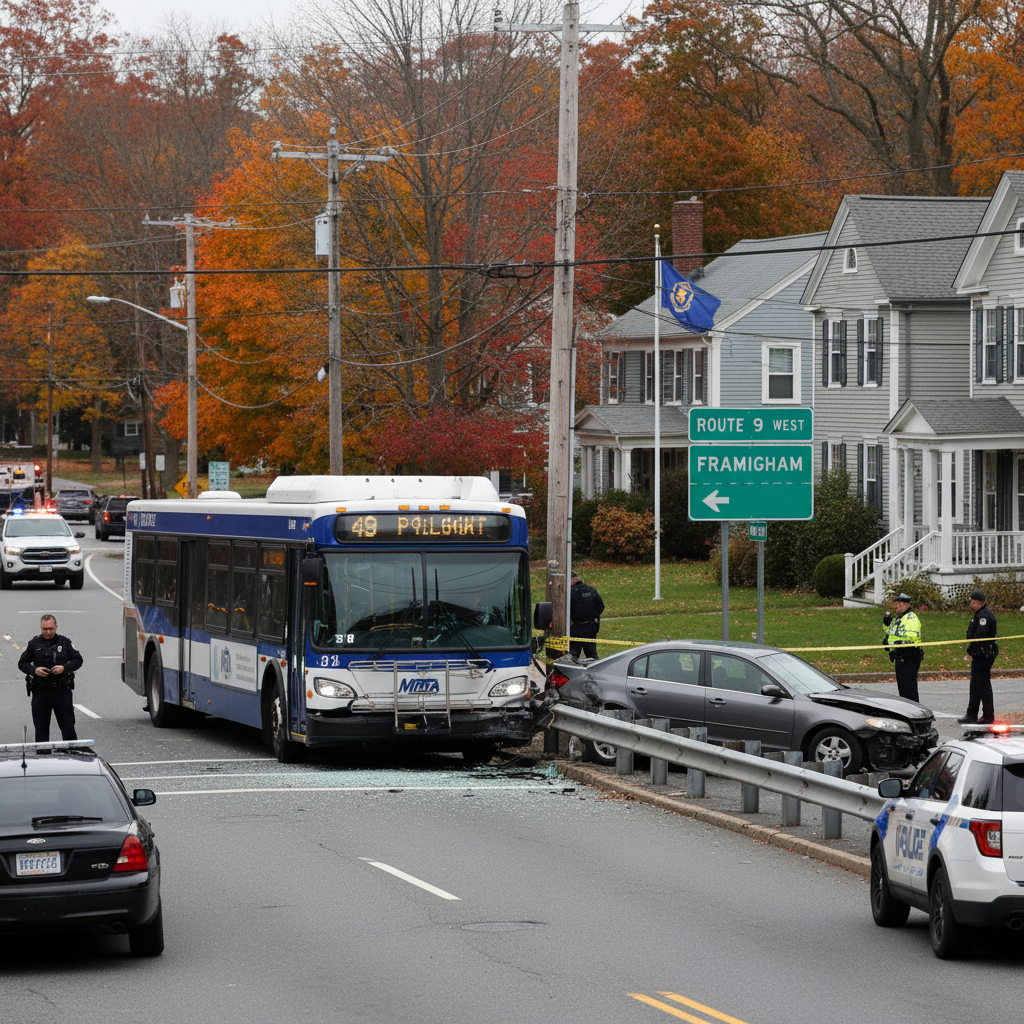
Bus and Shuttle Accidents in Massachusetts: What Injured Victims Need to Know
Bus and shuttle transportation is widely used throughout Massachusetts, from daily commutes to Logan Airport transfers and school transportation. While buses are often viewed as a safe option, bus...
Read more

Loss of Consortium Claims in Massachusetts: Protecting Your Family After a Serious Injury
When someone is seriously injured due to another party’s negligence, the harm often extends far beyond medical bills and lost wages. Spouses and family members may experience a profound loss in...
Read more

Understanding the Statute of Limitations in Massachusetts Civil and Injury
When you are injured, harmed, or wronged in Massachusetts, your right to pursue compensation is not open‑ended. Every type of civil claim is governed by a statute of limitations—a legal deadline...
Read more

Civil Litigation Against Uber & Lyft for Assault or Sexual Harassment by a Driver
When you step into an Uber or Lyft, you expect a safe and reliable ride. Unfortunately, there are instances where passengers suffer assault, sexual harassment, or other misconduct at the hands of...
Read more

Slip and Fall Accidents in Massachusetts: Who Is Liable and Why Location Matters
A slip and fall accident can happen anywhere — from a neighbor’s front porch to a grocery store parking lot. While these accidents may seem simple, determining who is legally responsible often...
Read more

What to Do If You’re in an Uber, Lyft, or Taxi Crash
Being involved in an Uber, Lyft, or taxi crash can be disorienting and stressful. These incidents come with unique legal challenges because multiple parties may be involved — the rideshare driver,...
Read more

Why January Is the Perfect Time to Reassess Your Estate Plan in Massachusetts
A new year brings new beginnings — and for many Massachusetts residents, it’s the ideal time to take stock of important life matters, including your estate plan. Whether you already have a will,...
Read more

What to Do After a Commercial Truck Accident in Massachusetts
Commercial truck accidents can cause devastating injuries and long-term consequences. Whether you were hit by a semi-truck, box truck, delivery truck, or Amazon delivery van, knowing what steps to...
Read more

Navigating Insurance Claims After Personal Injury
Read more
7 Reasons to Update Your Estate Plan This National Estate Planning Month
October marks National Estate Planning Month, serving as a timely reminder to revisit and refresh your estate plans. If you created your estate plan years ago with the belief it would suffice for...
Read more

From a Rider & Attorney: Most Common Motorcycle Crash Causes in MA
Introduction: A Rider's Perspective on Massachusetts Motorcycle Crashes As both an attorney and a motorcyclist, I know how quickly a good ride can turn into a life-changing event. Even when you do...
Read more

Client Won’t Pay? From Demand Letter to Lawsuit in MA
Introduction: When Nonpayment Threatens Your Business Cash flow is the lifeblood of any business. When a customer or client won't pay, it doesn't just sting-it can jeopardize payroll, vendor...
Read more

7 Insurance Adjuster Tactics—and How to Respond
Introduction: Why This Topic Matters Right Now After an accident or serious injury, you expect the insurance process to be straightforward. Instead, you’re met with delays, confusing forms, and...
Read more
View more